Category
Martial Arts Philosophy
The philosophy, ethics and history behind the martial arts, traced through dated texts and historical scholarship, with no fighting techniques taught.
2 entries
-
Flagship entry
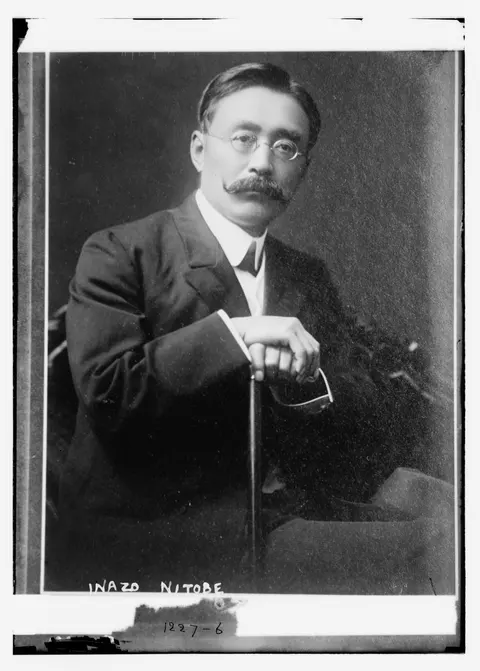
Seven Virtues of Bushido: Same Order as Nitobe's Chapters
The seven virtues of bushido follow chapters 3–9 of Nitobe's 1900 English book, in order. His titles are English; meiyo and chūgi are not in the revised text.
Image credit
"Inazo Nitobe LCCN2014686321" by Bain News Service; George Grantham Bain Collection, Library of Congress — https://commons.wikimedia.org/wiki/File:Inazo_Nitobe_LCCN2014686321.jpg — Public domain (US: published by the Bain News Service before 1931, per the Commons PD-old-70-1923 tag; EU: the photographer is not named, and an anonymous photograph made public more than 70 years ago is out of copyright)
-
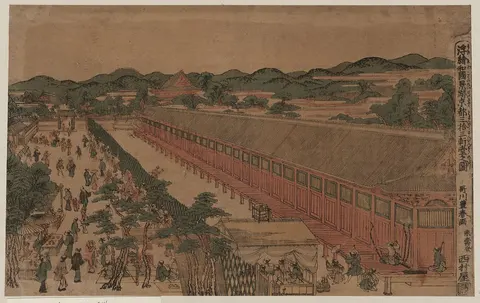
Zen in the Art of Archery: No Sign Its Master Trained in Zen
Yamada's 2001 study finds no sign that Awa Kenzō, archery master of Zen in the Art of Archery, trained in Zen; Awa called the famous night shot a coincidence.
Image credit
"Kyōto sanjūsangendō no zu LCCN2009615009" by Utagawa Toyoharu; Japanese fine prints, pre-1915, Library of Congress — https://commons.wikimedia.org/wiki/File:Ky%C5%8Dto_sanj%C5%ABsangend%C5%8D_no_zu_LCCN2009615009.jpg — Public domain (US: an Edo-period woodblock print, published long before 1931, per the Commons PD-old-100-1923 tag; EU: the artist, Utagawa Toyoharu, died in 1814; a faithful reproduction of a public-domain print adds no new rights)

