Category
Yoga Philosophy
The Yoga Sutras and other classical yoga texts read verse by verse, edition named, plus the history of their ideas; no posture teaching, no health claims.
2 entries
-
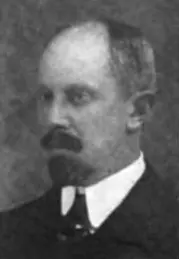
Flagship entry
Yoga Sutras on Postures: Three Sutras, and No Pose Named
Woods's 1914 Yoga Sutras: 195 sutras, only three on posture (2.46–2.48), and no pose named. Word-by-word readings, a sutra-count table and Vyāsa's twelve names.
Image credit
"James Haughton Woods (1864–1935)" by unknown photographer, in The Book of the Class of 1914, Radcliffe College (June 1914), p. 20 — https://commons.wikimedia.org/wiki/File:James_Haughton_Woods_(1864%E2%80%931935).png — Public domain (US: published in June 1914 in The Book of the Class of 1914, Radcliffe College, before 1931; EU: no photographer is named and the book appeared in 1914, so the 70-year term for anonymous works ended in 1984)
-
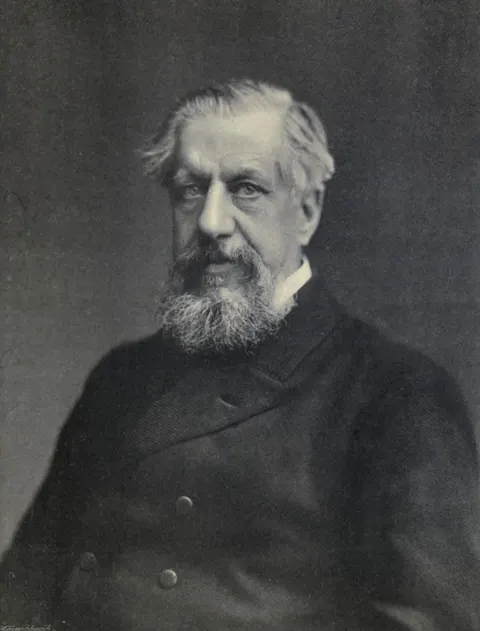
Bhagavad Gita 2.47: It Also Forbids Clinging to Inaction
Bhagavad Gita 2.47 word by word: four quarters glossed, four public-domain translations compared, and a fourth quarter that forbids clinging to inaction.
Image credit
"Picture of Edwin Arnold" by Stereoscopic Co., in Notables of Britain — https://commons.wikimedia.org/wiki/File:Picture_of_Edwin_Arnold.jpg — Public domain (US: published no later than 1897 in Notables of Britain, before 1931; EU: credited only to the Stereoscopic Co., with no photographer named, and published by 1897, so the 70-year term for anonymous works has expired)
.png)
